Origin and History of Square Foot Gardening
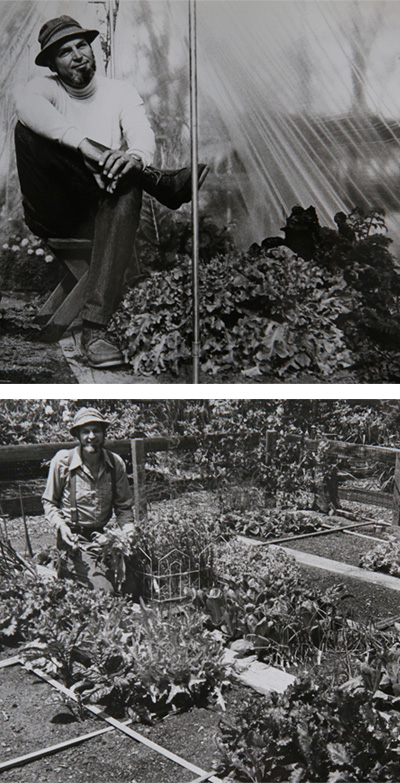
After retiring in 1975, Mel Bartholomew joined his local community garden as a hobby — and quickly grew frustrated. Row gardening, he noticed, was wasteful, time-consuming, and unnecessarily laborious. When he asked fellow gardeners why they planted that way, the answer was always the same: “Because that’s the way we’ve always done it.”
As a civil engineer and efficiency expert, Mel was determined to find a better approach. He recognized that row gardening was simply a farming technique passed down through generations — one that never translated well to the home gardener.
In 1976, he developed what he called Square Foot Gardening: a straightforward alternative to the inefficiency of traditional row planting. By rethinking spacing, watering, soil quality, and weed control, Mel created a method that was both productive and accessible. Gardening experts initially dismissed it as too simple, but everyday gardeners — especially beginners — embraced it enthusiastically.
His first book, Square Foot Gardening, was published in 1981 and became the best-selling gardening book of all time. Its success gave rise to popular television series on PBS and the Discovery Channel, turning Square Foot Gardening into a household name.
In 1996, Mel founded the Square Foot Gardening Foundation with a singular mission: to help solve world hunger by teaching people to be more self-sufficient and grow nutritious food with minimal resources. Today, the Foundation carries on that mission through humanitarian projects around the globe, captured simply in its mission statement: “Square Foot Gardening: Simplifying Organic Gardening and Nourishing Communities Worldwide.”